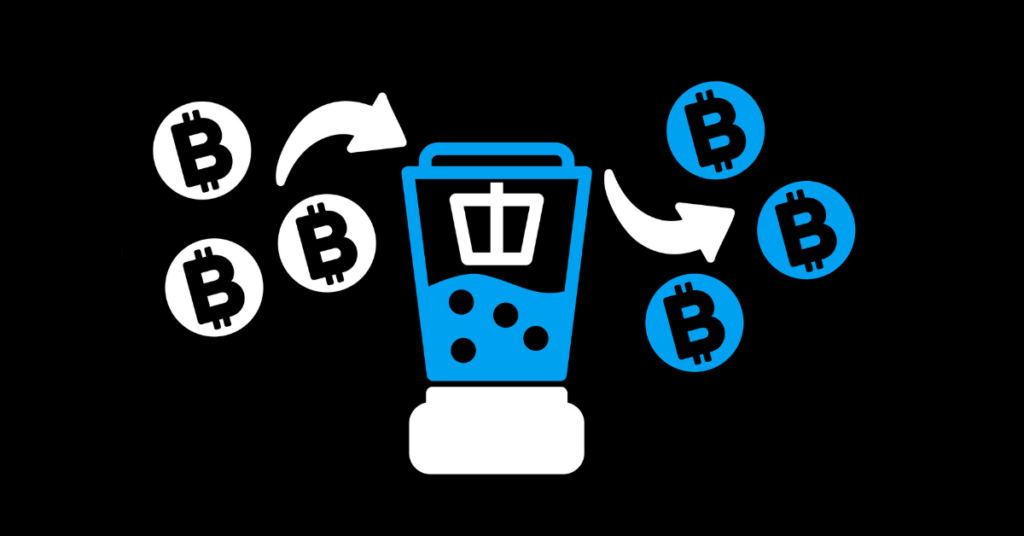
A bitcoin mixer is a privacy technology designed to reduce traceability between blockchain transactions. It is commonly used as an additional layer of protection for users operating in open financial networks.
Btc tumblers provides independent analysis of transaction anonymization methods, explains how modern mixing mechanisms work, and compares different privacy-oriented solutions.
Bitcoin mixers are privacy-oriented tools designed to reduce the traceability of blockchain transactions. They are commonly used by individuals who want to limit public exposure of their financial activity.
Crypto mixers work by separating incoming and outgoing transactions, making it harder to establish a direct on-chain relationship between addresses.
By introducing controlled randomness and timing delays, bitcoin tumblers help reduce transaction transparency on public blockchains.
Btc blenders are often discussed in the context of privacy research and financial autonomy. Understanding how they work is essential for informed use.
Below is a research-oriented overview of transaction anonymization. The process is similar across platforms commonly referred to as crypto mixers, with variations in implementation and policy.
Incoming funds enter a shared environment where multiple transactions are grouped together. This stage is common across modern privacy tools, including a bitcoin mixer, as it increases uncertainty around original inputs.
During the mixing phase, algorithms introduce variability in amounts and paths. Many crypto mixers rely on this mechanism to reduce deterministic links while preserving predictable outcomes.
Time delays are applied between input and output events. This approach—often discussed in the context of a btc mixer— helps weaken time-based heuristics used in blockchain analysis.
Processed funds are released to designated addresses with minimized traceability. In practice, bitcoin tumblers aim to deliver outputs that cannot be trivially linked back to their sources.
This explanation reflects common architectural patterns found in btc mixers and related privacy systems. It is provided for educational purposes and does not describe a specific service or recommendation.
Below is an overview of commonly discussed crypto mixers, including categories frequently referred to as top bitcoin mixers or best bitcoin mixers in analytical contexts.
Some platforms are recognized as top bitcoin mixersdue to their ability to handle larger transaction volumes while maintaining consistent privacy characteristics.
Services often described as best btc mixers typically focus on minimizing transaction linkage through advanced distribution logic and optional timing controls.
Our best bitcoin mixers list highlights solutions commonly referenced in privacy research and comparative studies, rather than promotional rankings.
This overview reflects commonly used classification approaches in discussions about btc mixers and crypto mixers. The information is provided for comparative and educational purposes only.
Security in transaction anonymization extends beyond software. It includes infrastructure, process design, and informed usage. Below are key areas commonly evaluated in privacy-focused systems.
Mixing technologies are designed to reduce direct links between blockchain transactions. This approach helps limit public traceability in systems commonly discussed as crypto mixers.
Many privacy-focused architectures aim to minimize custody risks by reducing the time funds remain under system control, lowering overall exposure.
Secure environments, isolated processing, and hardened server configurations are frequently referenced when evaluating bitcoin mixers from a technical perspective.
Understanding operational and regulatory risks is an essential part of privacy research. Security is not only technical, but also contextual.
This section is intended for educational and analytical purposes. Security characteristics may vary depending on implementation, threat models, and user behavior.
This platform operates as a research-oriented project focused on blockchain privacy technologies. Communication channels are provided for informational inquiries, feedback, and clarification requests.
Content & structure questions
Research-related inquiries
No personal data collection, automated processing, or transactional support is provided through this section.